Best Otoscope Camera

If you are comparing the best otoscope camera for clinical or virtual care, image quality is only part of the decision. Buyers also need to consider exam range, connection requirements, remote specialist access, documentation, and how easily the device fits into an existing telehealth workflow.
This comparison evaluates four current options: TotalExam® 3.2 with the otoscope attachment, WiscMed Wispr, Welch Allyn MacroView Plus, and Firefly DE570. Each device serves a different use case, from in-person ear exams to mobile screenings and integrated virtual care.
How the Best Otoscope Cameras Compare
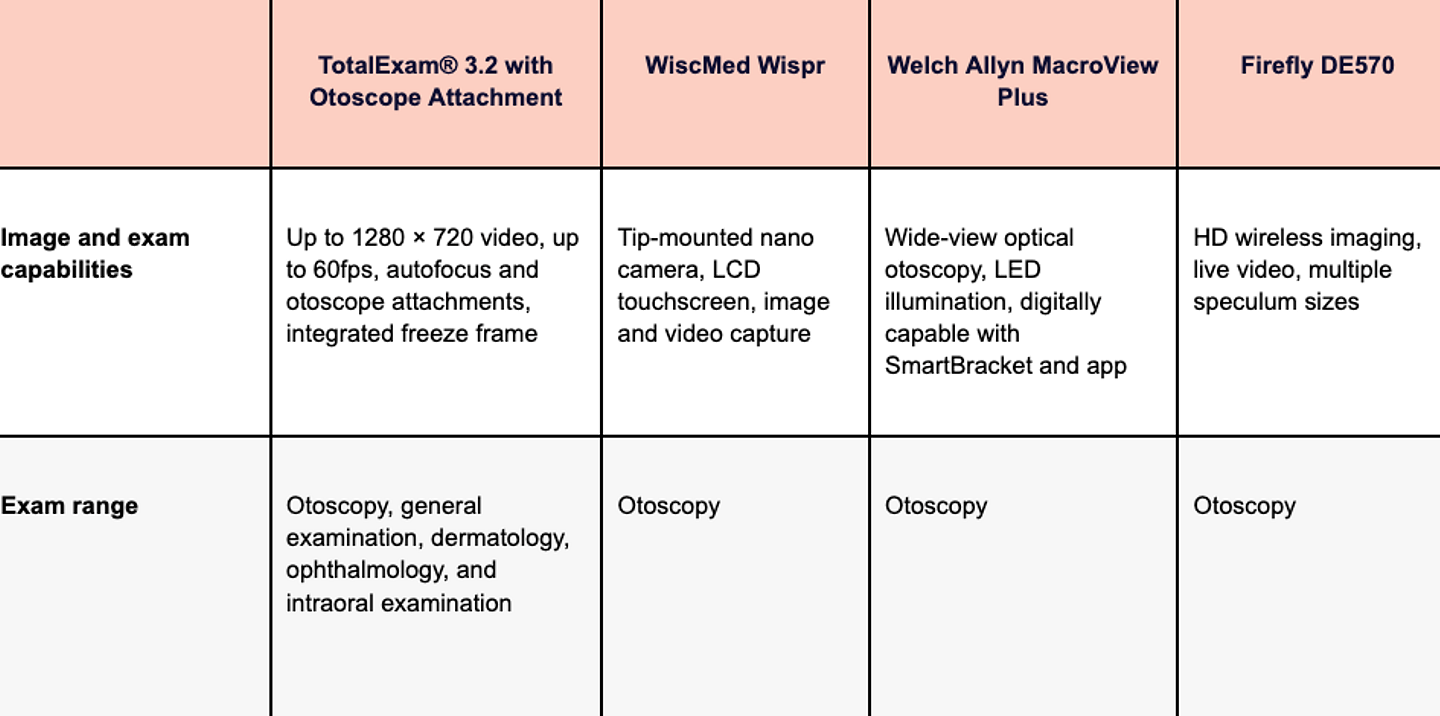
| TotalExam® 3.2 with Otoscope Attachment | WiscMed Wispr | Welch Allyn MacroView Plus | Firefly DE570 | |
| Image and exam capabilities | Up to 1280 × 720 video, up to 60fps, autofocus and otoscope attachments, integrated freeze frame | Tip-mounted nano camera, LCD touchscreen, image and video capture | Wide-view optical otoscopy, LED illumination, digitally capable with SmartBracket and app | HD wireless imaging, live video, multiple speculum sizes |
| Exam range | Otoscopy, general examination, dermatology, ophthalmology, and intraoral examination | Otoscopy | Otoscopy | Otoscopy |
| Telehealth workflow | Integrates with eNcounter® for live and store-and-forward care | Separate device display and transfer workflow | Smart device, iExaminer SmartBracket, and iExaminer Pro app | Mobile app and third-party conferencing workflow |
| Documentation | USB 3.0 output and image capture within the virtual care workflow | 64GB storage and USB transfer to a computer or EMR | Image capture and sharing through iExaminer Pro | Standard image and video files that can be uploaded to EMR or EHR systems |
| Best fit | Healthcare organizations building connected virtual care programs | In-person clinical exams and patient education | Practices using Welch Allyn equipment | Mobile and high-mobility clinical settings |
TotalExam® 3.2 with Otoscope Attachment: Best for Integrated Virtual Care
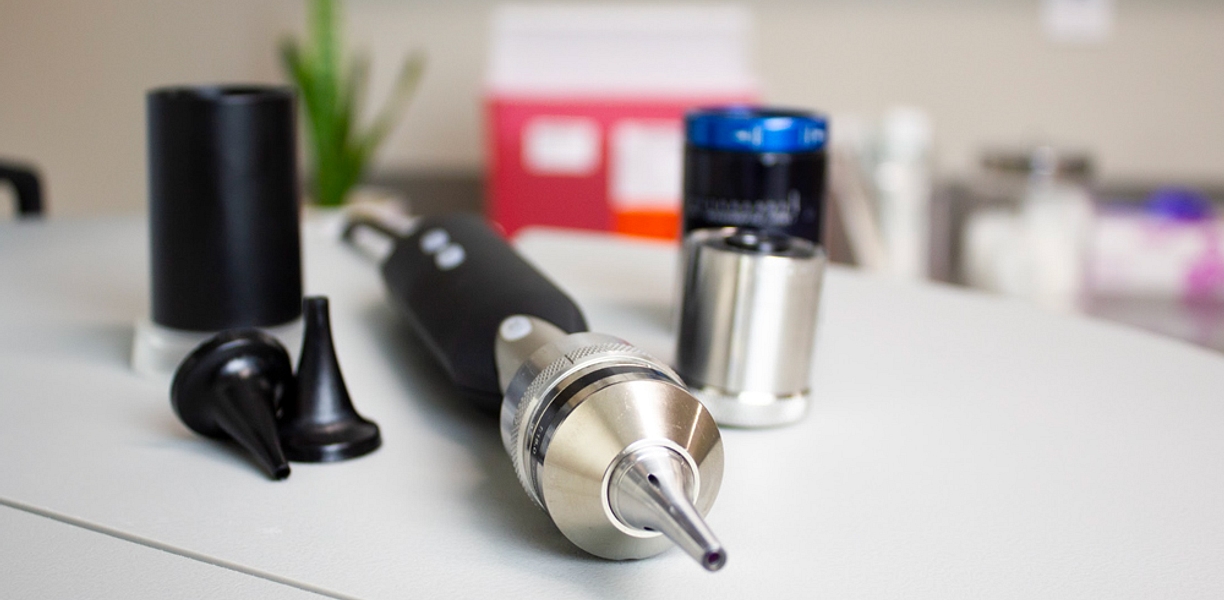
GlobalMed®'s TotalExam® 3.2 is designed for clinical teams that need otoscopy as part of a broader telehealth exam workflow. One camera body supports interchangeable autofocus and otoscope attachments, allowing the same exam cart to cover ear exams alongside general examination, dermatology, ophthalmology, and intraoral imaging.
What it does:
- Captures video at up to 1280 × 720 resolution and 60 frames per second
- Uses an autofocus head for general examination and an otoscope attachment for ear exams
- Includes integrated freeze frame technology that selects the clearest image from the previous 16 frames
- Connects through USB 3.0
- Includes integrated lighting for both the autofocus and otoscope attachments
- Supports a 1-megapixel snapshot size
- Works with eNcounter®, GlobalMed’s virtual care platform, for live and store-and-forward consultations
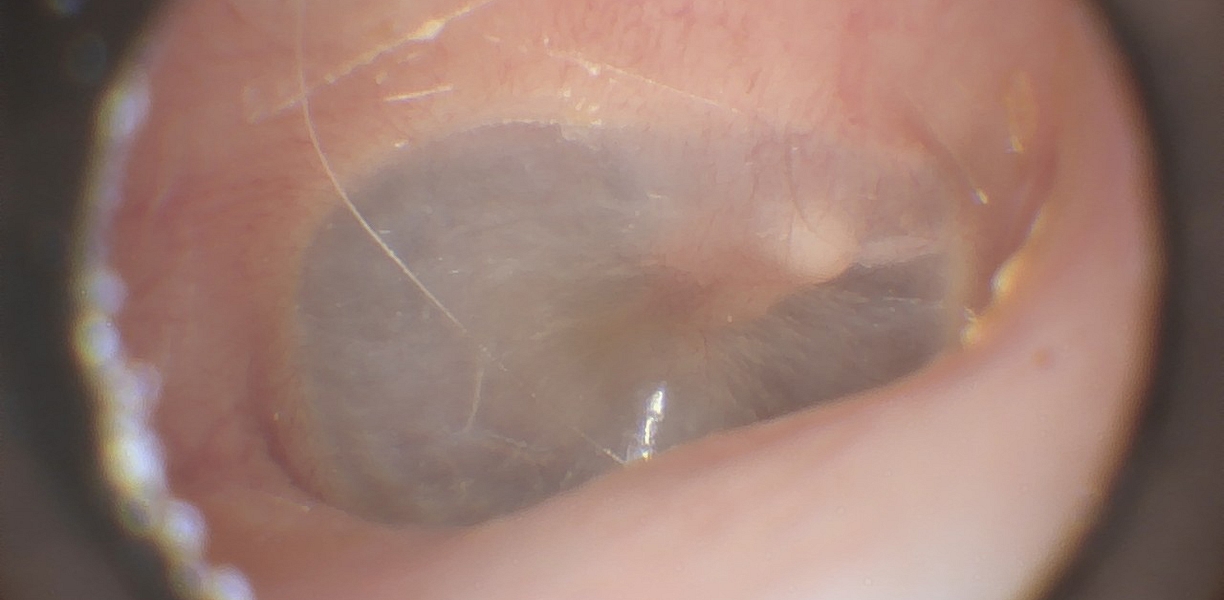
For this comparison, the key question is what happens after the image is captured. The TotalExam® 3.2 allows providers to use the otoscope attachment during a live consultation or capture images for later specialist review within the same virtual care workflow. The interchangeable attachments also allow healthcare organizations to use a single camera across multiple exam types as their telehealth program grows.
GlobalMed’s software-first approach connects the device to a broader care workflow that includes the patient, provider, clinical data, and appointment documentation. That makes the TotalExam® 3.2 a strong fit for organizations evaluating the full virtual care process rather than selecting an otoscope in isolation.
WiscMed Wispr: Best for In-Person Digital Otoscopy
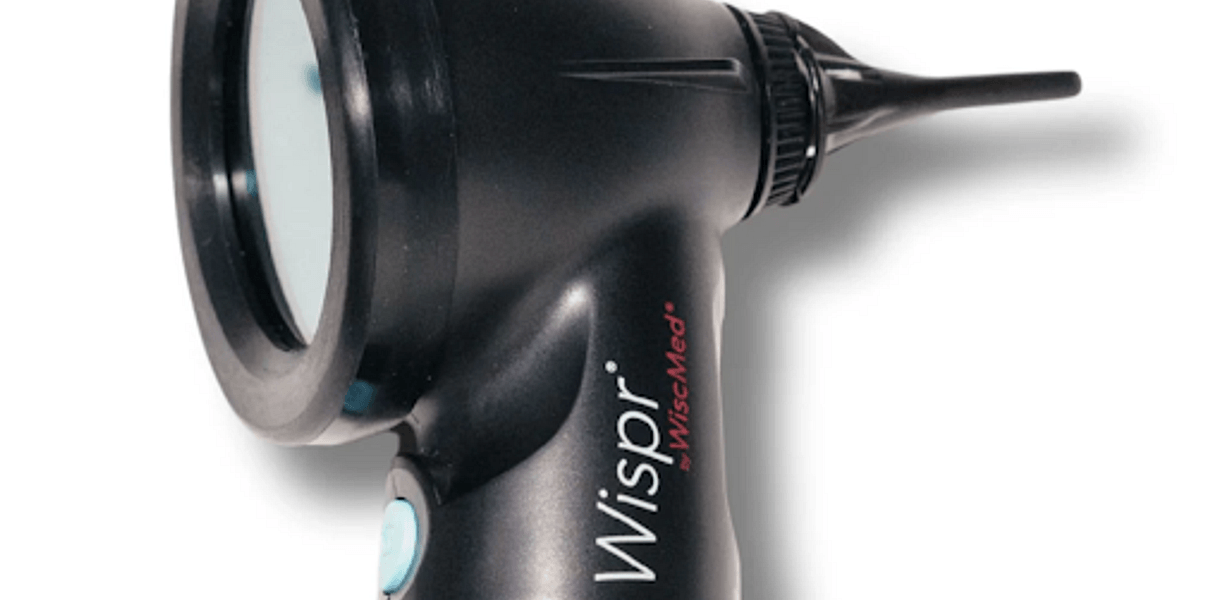
The WiscMed Wispr places a nano camera at the device's tip and displays the image on an integrated LCD touchscreen. Clinicians can view, capture, and review ear images directly on the device during an exam.
What it does:
- Uses a tip-mounted nano camera to provide a broad view of the tympanic membrane
- Includes an integrated LCD touchscreen
- Captures still images and video with one-button operation
- Stores up to 30 minutes of video or 3,000 still images
- Includes 64GB of onboard memory
- Works with Welch Allyn and Heine power handles
- Transfers images and video to a computer through USB
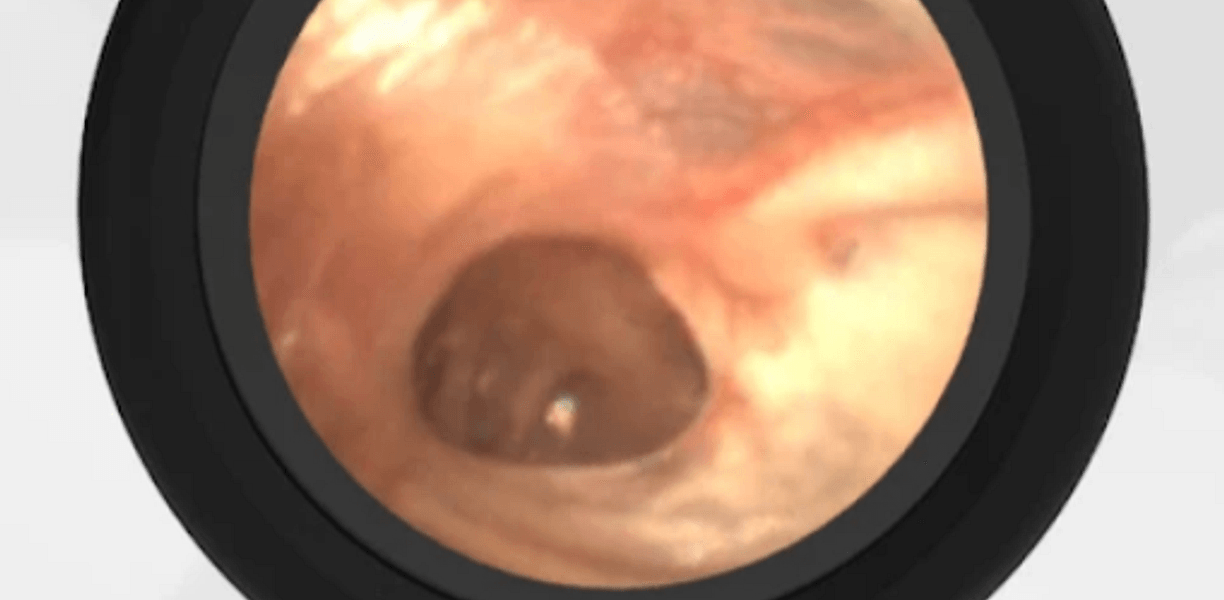
The Wispr fits practices that want digital otoscopy without moving away from the traditional handheld exam format. Its built-in display also supports patient and student education, since the clinician can review the ear image with the patient during the visit.
For a telehealth program, the buyer should account for the steps between capture and remote consultation. The device stores and transfers images, but the clinical team must determine how those files will move into its telehealth platform and patient record.
Welch Allyn MacroView Plus: Best for Existing Welch Allyn Environments
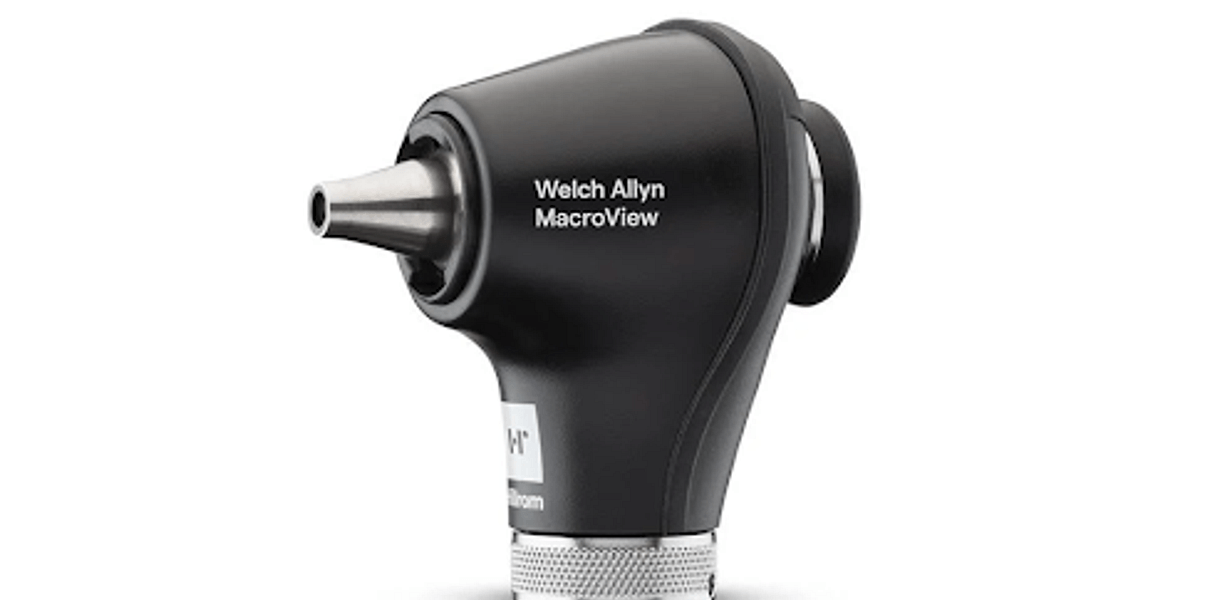
The Welch Allyn MacroView Plus is the current digital-capable successor to the older Digital MacroView system. It combines a familiar 3.5 V otoscope format with a wider field of view, LED illumination, and optional digital capture through the iExaminer SmartBracket and iExaminer Pro app.
What it does:
- Provides a viewing area up to three times larger than a standard otoscope
- Uses long-lasting LED illumination
- Supports focus-free optical examination
- Works with Welch Allyn 3.5 V power handles
- Captures and shares ear images when paired with the iExaminer SmartBracket and a compatible smart device
- Uses iExaminer Pro for image capture, review, and sharing
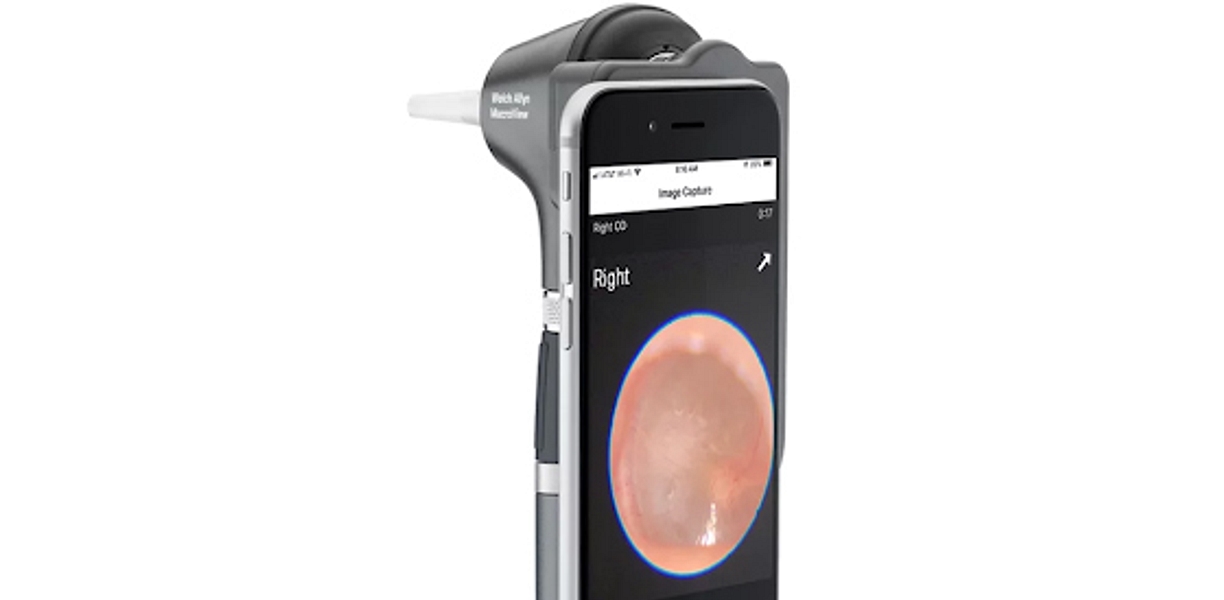
The MacroView Plus is a practical option for practices that already use Welch Allyn diagnostic equipment and want to add digital image capture. Its workflow is built around the otoscope, SmartBracket, smart device, and iExaminer software.
Buyers evaluating it for virtual care should confirm device compatibility, supported operating systems, image transfer requirements, and the path from iExaminer Pro into the organization’s EMR or telehealth platform. The setup can support digital sharing, but it involves more components than a camera designed to operate within a broader virtual care platform.
Firefly DE570: Best for Mobile and High-Mobility Exams
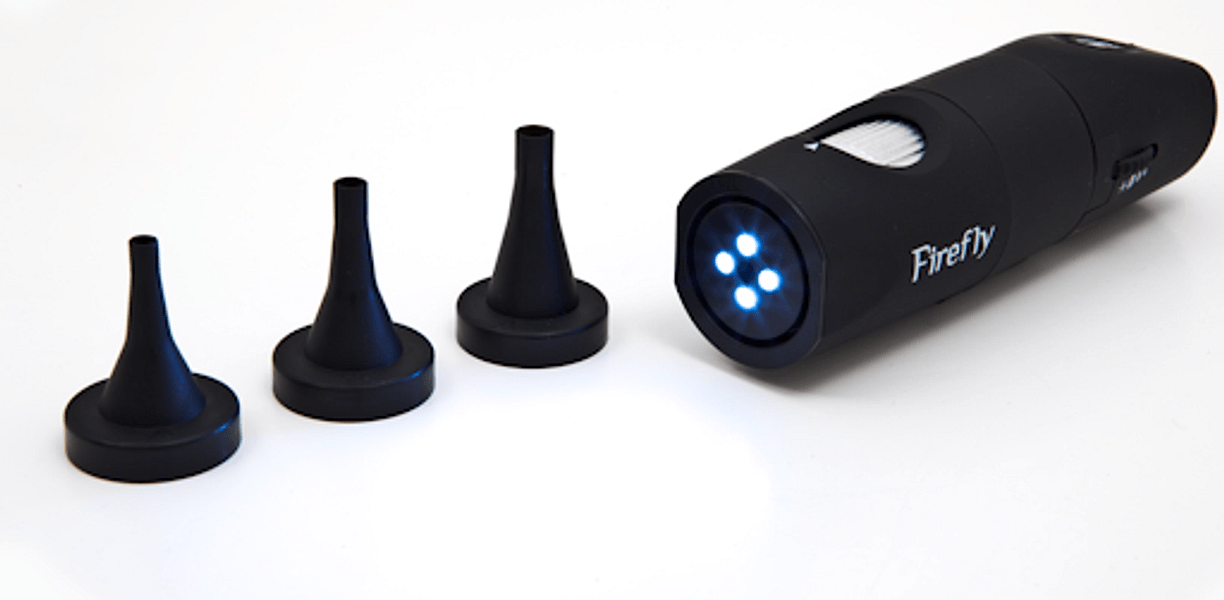
The Firefly DE570 is built around wireless operation. It connects to compatible smartphones, tablets, and computers, allowing providers to view live images without a tethered workstation.
What it does:
- Provides HD live imaging
- Connects to mobile devices through WiFi
- Supports multiple speculum sizes
- Offers approximately two hours of continuous battery use
- Captures standard image and video files
- Supports remote viewing through a third-party conferencing workflow
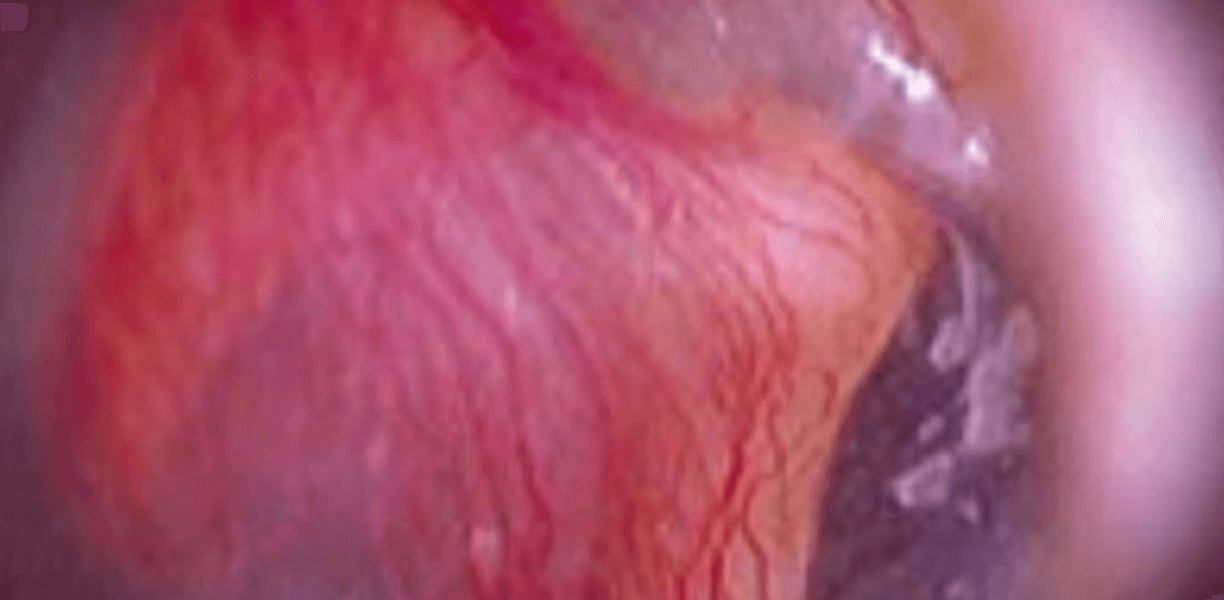
The DE570 suits mobile clinics, school-based screenings, rural outreach, and home visits where a wired workstation may be difficult to carry or deploy. Its wireless design gives providers more flexibility around location and setup.
For telehealth use, Firefly documents a workflow that combines the device’s mobile application with an iOS conferencing application and screen sharing. That can support a remote consultation, but it requires the provider to manage and toggle between the otoscope app, the conferencing platform, and the process for transferring images into the patient record. Organizations should weigh that setup against a platform with native device integration.
Finding the Best Option For Integrated Telehealth
For healthcare organizations building a connected virtual care program, TotalExam® 3.2 with the otoscope attachment is the best otoscope camera for connecting ear imaging to live specialist access, store-and-forward care, and a broader telehealth workflow. Its interchangeable attachments support several exam types, while eNcounter® connects the device to GlobalMed’s software ecosystem.