Healthcare AI Solutions
Streamline patient flow, identify health risks earlier, and enhance clinical efficiency with proven AI triage, biomarker screening, and remote patient monitoring solutions.

GlobalMed's AI-Enabled Tools
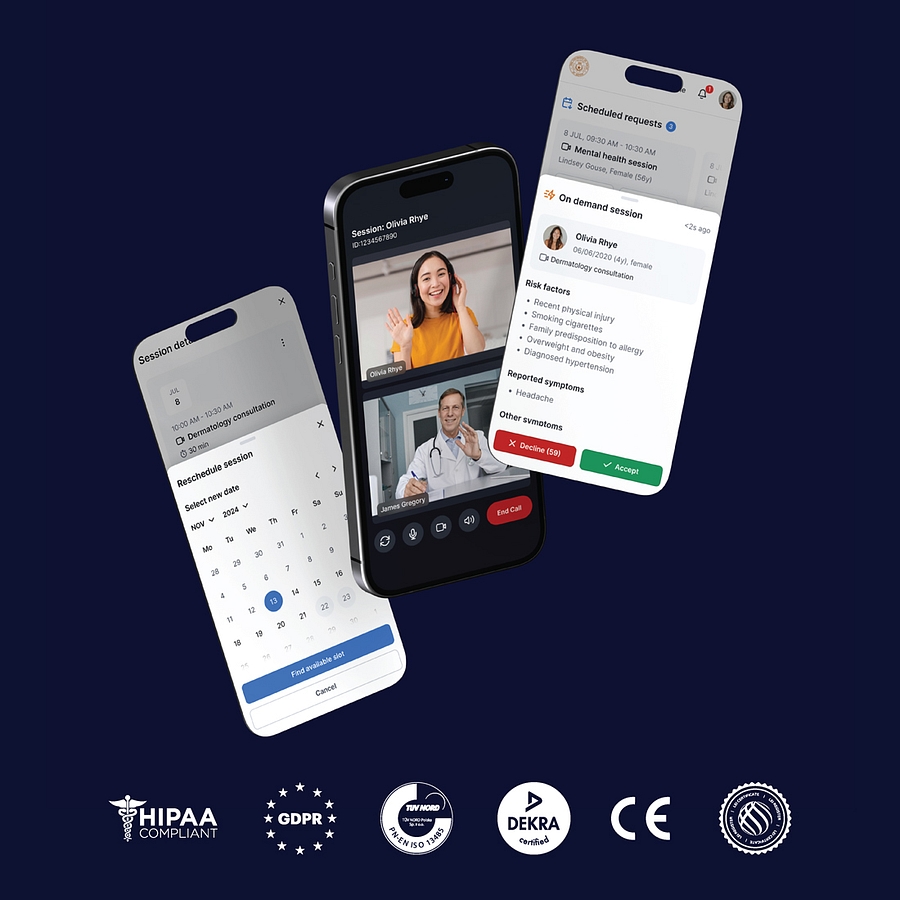
AI-Powered Virtual Triage*
Intelligent Patient Routing That Minimizes Manual Coordination
AI-Powered Virtual Triage uses built-in symptom checking to assess patient-reported information and intelligently route patients to the appropriate provider, service line, or care pathway.
By automating early intake and routing decisions, this tool:
- Minimizes manual coordination between administrative staff and providers
- Improves provider efficiency through better resource utilization
- Ensures faster access to care from the first point of contact
- Collects evidence efficiently through intelligent patient surveys
- Reduces administrative workload across clinical operations
AI-powered virtual triage is a part of the eNcounter® software, making implementation straightforward for organizations already managing high patient volumes across multiple locations.
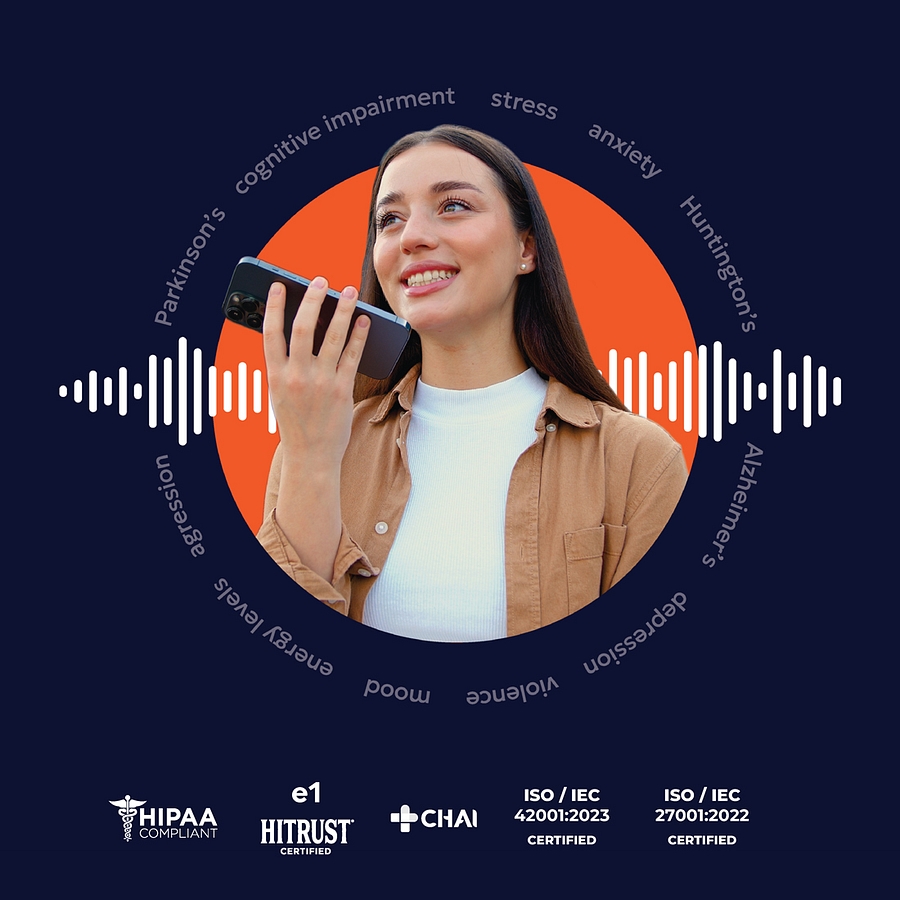
Canary Speech*
Objective Vocal Biomarker Screening for Behavioral and Cognitive Health
Traditional behavioral health assessments rely on subjective self-reporting that can miss early warning signs. Canary Speech analyzes over 2,500 digital biomarkers within the human voice, identifying acoustic and linguistic patterns associated with neurological and behavioral health conditions. Results appear in real time during clinical encounters, providing objective decision support for standard clinical assessments such as GAD-7 and PHQ-8.
This clinically-proven platform provides screening capabilities for:
- Anxiety and depression
- Parkinson's disease
- Alzheimer's disease and cognitive impairment
- Violence risk screening
- Stress and mood patterns
Canary Speech is also built into the eNcounter® software. It integrates via API into existing healthcare infrastructures without disrupting clinical workflows, maintaining full HIPAA compliance and best-in-class data security throughout.
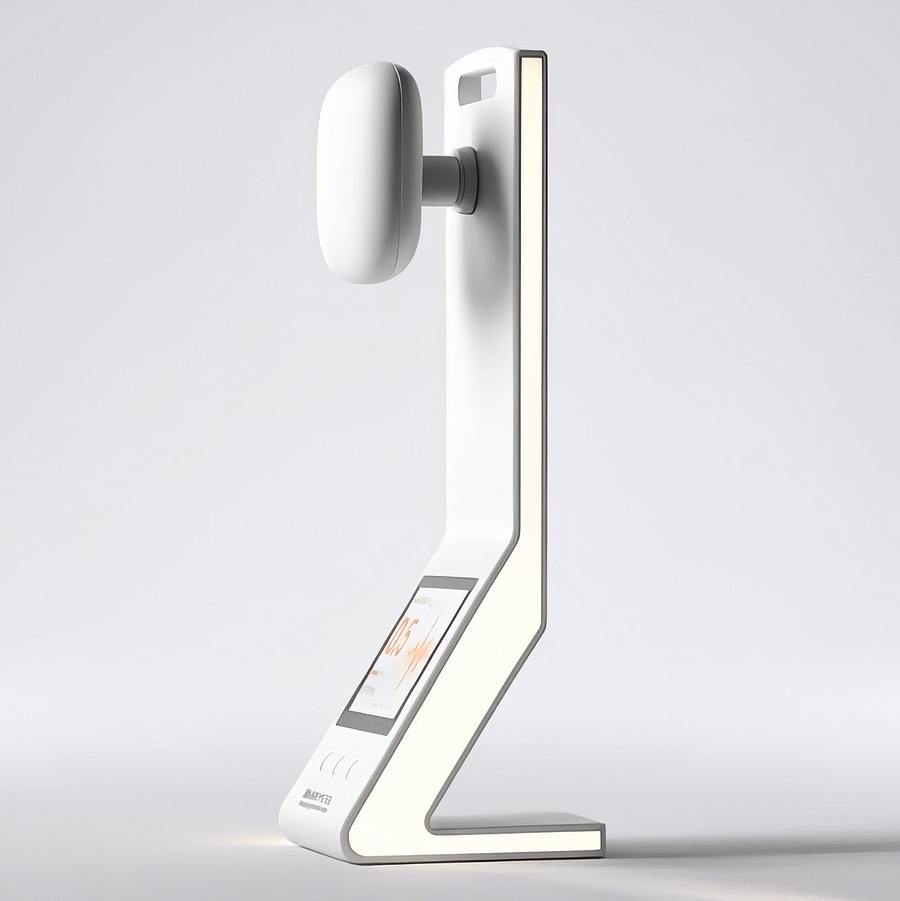
iAmbientHealth™*
Passive Remote Patient Monitoring Without Wearables or Patient Burden
Long-term care and remote patient monitoring programs often struggle with patient compliance when wearables are required. iAmbientHealth™ eliminates this challenge entirely through ambient sensor technology that captures vital health data passively.
The system monitors critical health indicators without cameras, microphones, or any required patient action:
- Heart rate
- Respiratory rate and depth
- Inhale/exhale ratio
- Sleep/wake patterns
- REM/non-REM sleep stages
- Motion index and position changes
- Bed exits
iAmbientHealth™'s proprietary algorithm achieves a 50% reduction in hospital readmissions while enabling early condition detection. The discreetly installed sensor operates with built-in cellular connectivity, ensuring 100% privacy while providing continuous monitoring for high-risk patients in long-term care settings.
OneStep*
Objective Mobility Assessment Through Smartphone-Based Gait Analysis
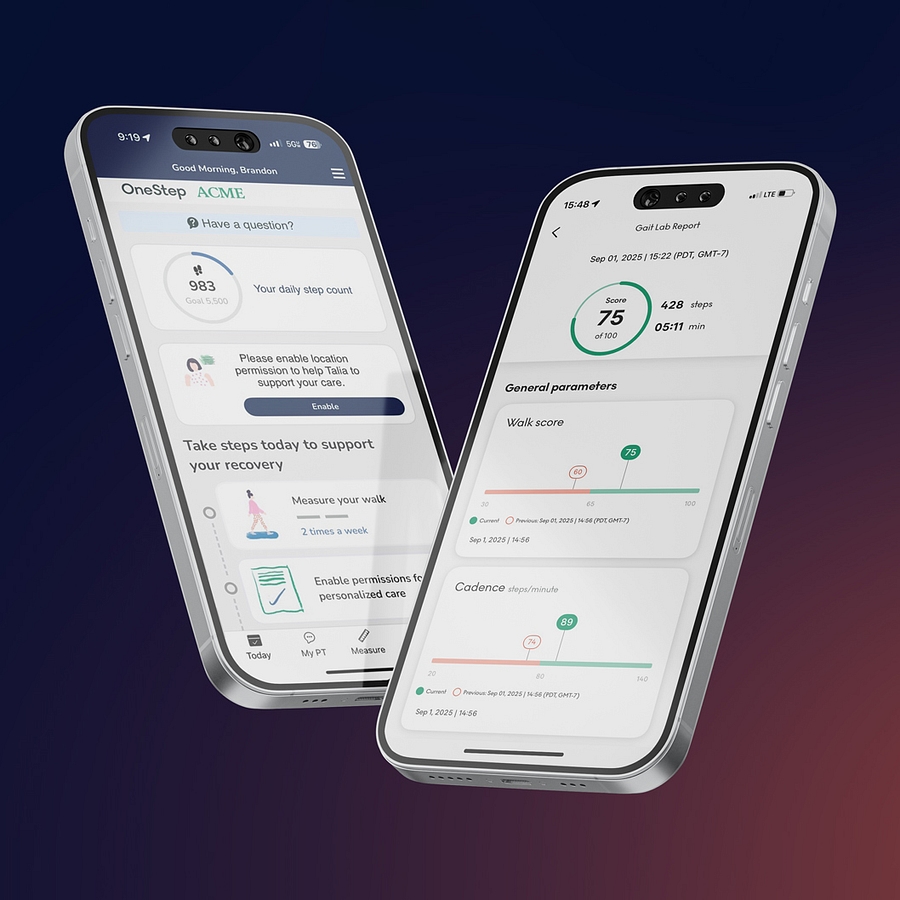
Traditional physical therapy and orthopedic care rely on subjective patient reporting and periodic in-clinic assessments that miss functional changes happening between appointments. OneStep transforms any smartphone into a clinical-grade gait analysis tool, using built-in sensors to continuously track mobility patterns, fall risk indicators, and functional progress.
The AI-powered app analyzes walking patterns to provide objective data on:
- Gait speed and stride length for mobility assessment
- Balance and stability metrics for fall risk screening
- Pain level correlation with movement patterns
- Functional improvement trends during rehabilitation
- Activity compliance for post-surgical recovery protocols
OneStep integrates with major EHR systems and provides real-time alerts when patient mobility data indicates potential complications or regression. Physical therapists, orthopedic surgeons, and chronic disease management teams use this remote therapeutic monitoring software to track patient progress between appointments, identify early intervention needs, and adjust treatment protocols based on objective functional data rather than patient recall alone.
*RESOLD, 3rd Party Integration