The Future of Addiction Recovery: Combining In-Person Treatment With Virtual Aftercare

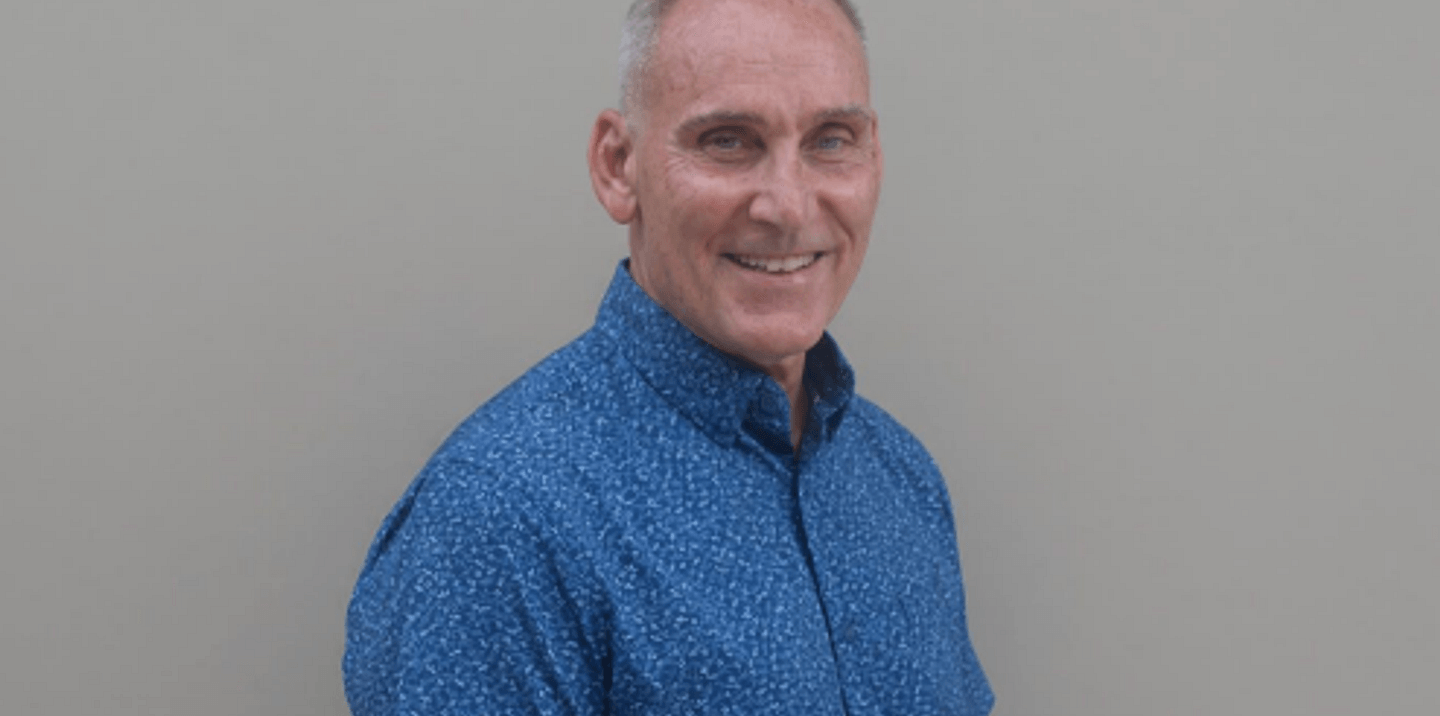
An Expert Interview with Joseph Costello, Clinical Director at Miracles Asia
Miracles Asia is the Top Holistic Addiction Treatment Centre in Thailand
At GlobalMed, we provide telehealth technology, remote patient monitoring, and virtual healthcare solutions that help organizations deliver quality care beyond the walls of a traditional clinical setting. One of the most compelling applications of virtual care is in addiction recovery, where the transition from residential treatment to everyday life is among the highest-risk periods a patient faces. Today, we're sitting down with Joseph Costello, Clinical Director at Miracles Asia, the top holistic addiction treatment centre in Thailand. Miracles Asia combines CBT, EMDR, 12-step, and mindfulness approaches to treat mind, body, and spirit in a residential setting. We asked Joseph how the field of addiction recovery is evolving, and how virtual care is changing what continuity of treatment can look like after discharge.
Q: Joseph, the transition from residential treatment to everyday life is widely recognized as a vulnerable period for patients in recovery. What makes that transition so clinically significant?
A: In residential treatment, the environment itself is doing a portion of the therapeutic work. The patient is removed from the triggers, the relationships, and the patterns that supported their addiction. They have consistent clinical support, structured days, and a community of people who understand what they are going through. When they leave that environment and return to their ordinary life, all of that external structure disappears at once, and they are implementing what they have learned in conditions that are infinitely more complex and demanding than the residential setting. The risk is not a failure of the treatment itself. It is the gap between where the treatment ends and where sustained, real-world support begins. That gap is where relapse most commonly occurs, and it is the gap that virtual aftercare is uniquely positioned to close.
Q: How does Miracles Asia's holistic treatment model, combining CBT, EMDR, 12-step, and mindfulness, prepare patients for that transition?
A: By treating the whole person rather than the addiction in isolation. Addiction is rarely just a substance problem. It is almost always accompanied by underlying trauma, dysregulated emotion, and deeply conditioned patterns of thinking and behavior that predate the addiction itself. At Miracles Asia, we use EMDR to address trauma at a neurological level, CBT to reshape the cognitive patterns that sustain addictive behavior, mindfulness to build the self-awareness and emotional regulation that make relapse prevention possible, and the 12-step framework to connect patients to a community of accountability and support that extends far beyond discharge. The goal is not to produce patients who can stay sober in Thailand. The goal is to produce patients who have the internal resources and the external connections to sustain recovery in their actual lives, wherever those lives are.
Q: Where does virtual care fit into that picture, and what can it realistically provide that residential treatment cannot?
A: It provides continuity in the environment where recovery is actually tested. The work done in residential treatment is foundational, but the application of that work happens after discharge. Virtual aftercare allows patients to maintain a genuine therapeutic relationship with the clinical team that knows their history, their triggers, and their treatment plan, without requiring them to travel or interrupt their reintegration into daily life. Regular video sessions with a counselor, remote check-ins with a case manager, access to crisis support when a trigger emerges at an unexpected moment: these are not substitutes for residential treatment. They are the bridge between residential treatment and sustainable long-term recovery. Just like GlobalMed's telehealth infrastructure makes that bridge accessible regardless of where a patient is in the world, which matters enormously for international patients who return home after treatment at a center like Miracles Asia.
Q: What does relapse-prevention planning look like when it incorporates virtual care tools, and how does it differ from a purely discharge-based approach?
A: A purely discharge-based approach gives the patient a plan and wishes them well. A virtual aftercare approach gives the patient a plan and remains actively engaged in executing it. The difference is significant. Relapse prevention is not a document. It is a dynamic, ongoing clinical conversation that evolves as the patient encounters real-world challenges that no treatment plan could have fully anticipated. With virtual care, we can monitor how a patient is responding to those challenges in real time, adjust coping strategies, escalate support when warning signs appear, and intervene before a lapse becomes a full relapse. Remote patient monitoring tools add another layer, tracking behavioral patterns, sleep, and physiological indicators that can signal elevated risk before the patient is consciously aware of it. That level of clinical attentiveness after discharge is simply not possible without virtual infrastructure.
Q: What does the future of addiction recovery look like as telehealth technology continues to evolve?
A: It looks like a genuinely continuous care model rather than a discrete treatment episode. The current standard, residential treatment followed by a discharge plan and a referral to local resources, reflects the infrastructure available twenty years ago. The infrastructure available now, and what companies like GlobalMed are continuing to develop, makes it possible for clinical relationships to persist across geography, time zones, and life transitions in ways that were previously impractical. For Miracles Asia, that means patients who complete residential treatment in Thailand can remain connected to their clinical team through structured virtual sessions as they return home to London, Sydney, Dubai, or New York. The residential experience was always the beginning of recovery, not the entirety of it. Virtual aftercare allows the clinical relationship to reflect that reality for the first time.
To learn more about Miracles Asia and their holistic residential addiction treatment program in Thailand, visit miraclesasia.com.