What Military Medicine Can Teach Healthcare About Delivering Care Anywhere

By Maj. Gen. Michael J. Talley, U.S. Army (Ret.)
Most civilian healthcare systems in the United States are built for stability. They assume that staff, supplies, equipment, specialists, communications, and transportation will be available when needed. Those assumptions break down in rural hospitals, during natural disasters and mass-casualty events, and anywhere care must continue despite distance, scarcity, or disruption.
Military medicine starts from the opposite assumption. Care may begin far from a hospital, in a hostile environment, with limited equipment and no specialist on hand. To keep casualties alive, military medical teams plan for failure, train to operate with less, use telehealth to push expertise forward to the point of need, and maintain continuity of care throughout evacuation.
Telehealth is one way to extend that model into civilian care, but technology only works as part of a larger plan. That plan begins with readiness: knowing what can fail, preparing alternatives, and rehearsing them before patients depend on them.
1. Plan for Failure, Not Just Success
Operational readiness is more than a disaster plan on paper. It is the combination of experience, planning, equipment, and flexibility that keeps a team operating when the original plan no longer applies.
Redundancy is central to that readiness. No medical operation should depend on a single mode of transportation, supply route, communications channel, or clinical resource. Military planners formalize this with a PACE plan: Primary, Alternate, Contingency, and Emergency options for every critical function, identified before they are needed.
In practice, that means:
- Using alternative evacuation platforms when ground transportation is unavailable
- Evacuating casualties on the same aircraft and vehicles that bring supplies forward
- Identifying alternate routes before the primary route fails
- Maintaining and employing redundant communications systems
- Knowing when to modify or terminate an operation as conditions change
Good planning also depends on experienced people. A planner who has worked through demanding exercises or real-world emergencies is more likely to anticipate friction points that are not visible from a conference room.
Technology can help close those gaps. Artificial intelligence and predictive analytics may soon help healthcare organizations forecast where beds, personnel, transportation, supplies, and specialty care will be needed, and when. That does not replace judgment. It gives experienced planners better information on which to base their decisions.
2. Preserve and Share Hard-Earned Capabilities
The United States has built substantial expertise in trauma care, medical evacuation, logistics, austere medicine, and large-scale medical operations. That expertise is the product of decades of training, investment, and combat experience. Those lessons should not fade between crises, and they should not stay inside the military.
Operation Warp Speed, the whole-of-Government partnership between the Department of Health and Human Services, other federal, state, and local agencies, and the Department of Defense, shows what military capabilities can contribute to civilian healthcare. Its success depended on more than developing a vaccine. Government, military, manufacturers, distributors, and healthcare organizations had to synchronize production and nationwide distribution of the vaccines and the supplies needed to administer them, from syringes and needles to alcohol prep pads.
That effort demonstrated the value of military logistics in moving medical resources at scale. The same principles apply in settings that receive far less attention but face similar challenges, such as rural clinics and disaster-affected communities. Civilian healthcare can learn from how the military gets the right resources and expertise to the point of need when roads, facilities, staffing, or communications are degraded.
The lessons worth sharing extend beyond battlefield techniques. They include the systems and relationships that enable care across distance: logistics, telehealth, transportation, and coordination among organizations.
Too often, these capabilities receive sustained attention only during a crisis. Once the emergency ends, relationships weaken, funding lapses, and organizations stop training together. Skills that were built and proven under pressure begin to atrophy.
To prevent that, military-civilian partnerships must be codified, exercised, and resourced. Tabletop exercises and full-scale drills should test questions such as:
- What happens when every hospital bed in the region is occupied?
- What happens when a patient needs a higher level of care than the local system can provide?
- What happens when the primary transportation route or supply chain fails?
Sharing military medical knowledge means turning hard-won experience into an enduring capability that civilian healthcare can apply before the next crisis begins.
3. Standardize the Basics, Then Train to Adapt
Standardized training matters most when the person at the point of care is not the most experienced provider in the system.
In military medicine, a casualty may be treated by a combat lifesaver, a combat medic, or a general medical officer long before reaching a surgeon. That provider may have to perform an unfamiliar procedure, stabilize a patient with limited equipment, or make decisions under conditions no fully equipped hospital would accept.
In those moments, the team cannot wait for the right specialist to arrive. The provider on scene must execute established protocols precisely while receiving guidance from a specialist by radio, video, or another remote link. In some cases, a surgeon may talk a less experienced provider through a lifesaving intervention until the patient can be evacuated to a higher level of care.
Technology enables that model, but it succeeds because of common training, clear protocols, reliable communications, and trust between the provider performing the procedure and the specialist guiding it. Everyone must share the same clinical priorities and speak the same language.
The Value of Standardization in Action
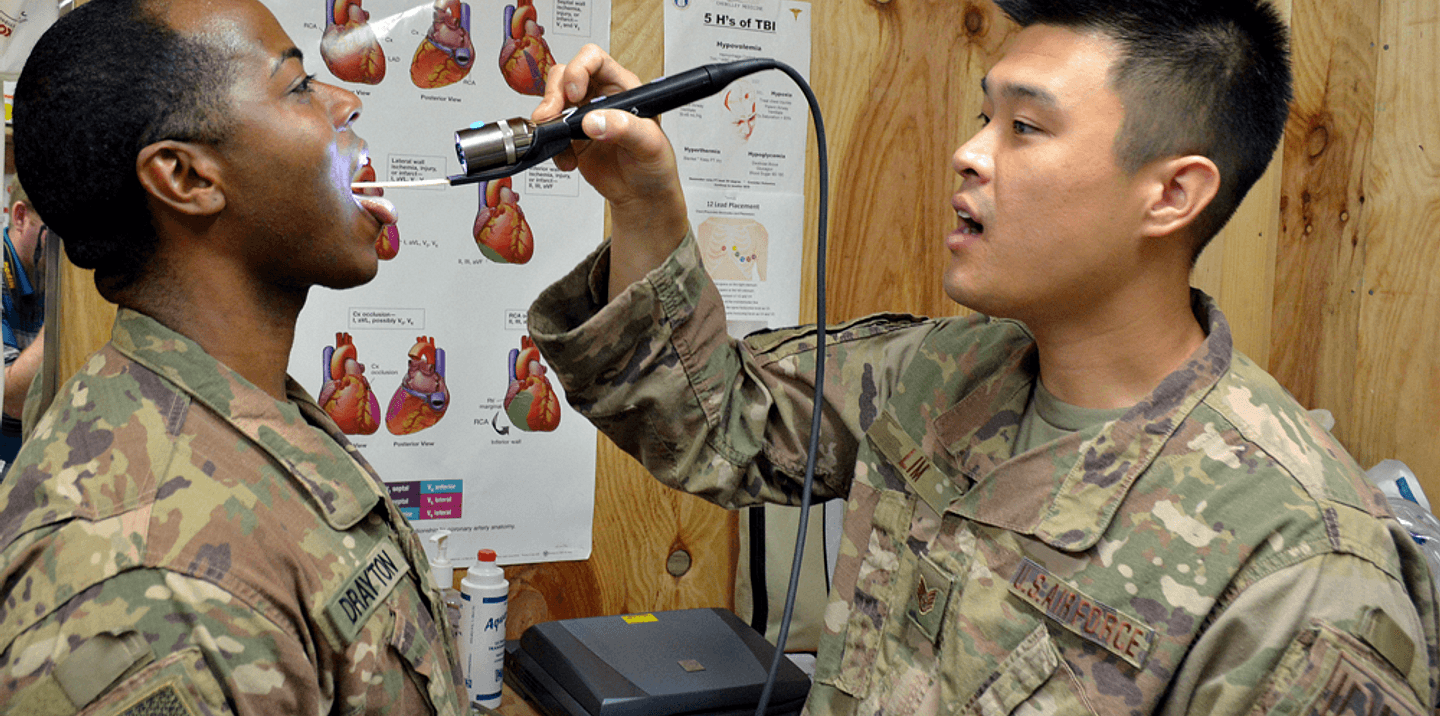
I saw the value of this approach during the responses to Hurricanes Sandy and Maria. Telehealth kits, some of which we called a "Doc in a Box," allowed medics, paramedics, and primary care providers in remote or disrupted locations to consult specialists despite distance and damaged infrastructure. Telehealth did not remove the local provider from the care process. It gave that provider access to expertise that was not physically present.
We applied the same principle in military settings by establishing virtual medical centers that provide continuous specialty reachback to forward-deployed providers. A clinician may not have every skill or resource a complex case demands, but a remote specialist can help assess the patient, determine the next step, and decide whether the patient can be stabilized in place or requires evacuation.
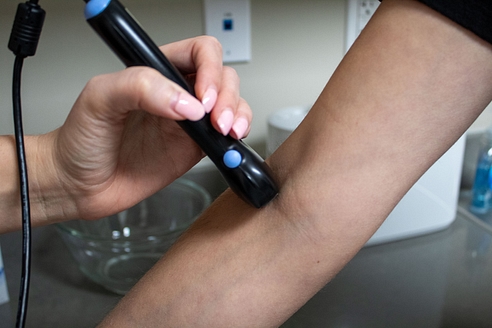
Civilian healthcare can apply this model in rural clinics, temporary treatment sites, ambulances, and disaster zones. GlobalMed®’s infrastructure that combines a virtual health platform, mobile clinical systems, and connected diagnostic devices is one way to put that principle into practice. That infrastructure gives providers at the point of care access to remote expertise and clinical information.
The objective is not to replace specialists or push local providers beyond their scope of practice. It is to prepare them for the situations they are likely to face, give them clear standards to follow, and ensure expert support is available when a case exceeds their training or resources.
4. Deliver Care Across Distance and During Transport
During my deployments to Iraq, casualties from improvised explosive devices (IEDs) and direct fire often received their first treatment from a combat lifesaver or medic. That combat medic might be working from a basic aid bag with limited support, while a medical team provided guidance over the radio.
The immediate priority was to stabilize the casualty and move them to the next echelon of care. A patient might move from the point of injury to a medic, then to a battalion aid station, to forward surgical care, and, when necessary, to a combat support hospital. At each handoff, the team had to sustain monitoring, fluid or blood resuscitation, documentation, and communication about the care already provided.
That experience shaped how I think about patient movement. A transfer plan must account for the patient's care requirements en route, the information the receiving team will need, and the possibility that the planned route or platform will fail.
I saw that risk firsthand during a live-fire exercise when a service member sustained a serious neck injury, and weather grounded the planned civilian air ambulance. Ground evacuation would have taken roughly an hour and 40 minutes, and the team initially struggled to reach the aeromedical service. They had to work through alternate transportation and communications options, and determine the point at which the exercise could no longer continue safely.
Civilian healthcare faces the same challenges in rural transfers, air ambulance operations, severe weather, and disasters. Delivering care across distance requires shared protocols, compatible equipment, reliable communications, and backup options that keep treatment moving through every handoff.
5. Make Different Organizations Operate as One Team
Military operations routinely involve multiple services, agencies, and coalition partners that do not share the same terminology, equipment, or communications systems. To operate as a cohesive, interoperable force, every element must follow common clinical standards and a common communications plan.
The same principle applies to civilian disaster response. Hospitals, EMS agencies, public health departments, emergency managers, community responders, and temporary medical teams may all become part of a single system of care overnight. They need common ground on:
- Clinical guidelines
- Communication procedures
- Equipment compatibility
- Patient handoff processes
- Joint training
- Roles and responsibilities
That is why exercises that stress-test current systems matter. Organizations may believe they are ready to work together until they discover they are on different radio channels, record different information, or follow different procedures for the same patient.
Regardless of which teams are involved, patients should receive a consistent standard of care. It should not matter what uniform a provider is wearing. The team must be able to communicate, coordinate, and continue the mission.
Takeaways for Civilian Healthcare
In my experience, delivering care anywhere depends on what teams have rehearsed before the patient arrives. Civilian healthcare leaders can apply that lesson in six practical ways:
- Build a PACE plan. Establish alternate ways to move patients, supplies, and clinical support when the primary route, aircraft, facility, or communications system fails.
- Train together before the crisis. Bring hospitals, EMS agencies, public health departments, and community responders together so they know one another's procedures before they need them.
- Keep perishable skills current. Sustain trauma, austere care, and disaster response skills through recurring exercises rather than relying on what was learned in the last emergency.
- Standardize for interoperability. Use shared protocols, communications channels, compatible equipment, and consistent documentation, so care continues across organizations and handoffs.
- Push expertise forward. Connect remote providers with specialists through telehealth when distance, staffing, or transportation prevents an in-person consult.
- Conduct after-action reviews. Review every exercise and real-world event, correct the gaps, and rehearse the fixes.
These capabilities strengthen disaster and mass-casualty response, but their value extends to everyday care. They help rural providers reach specialists, support safer patient transfers, and give understaffed facilities more options as demand grows.
Bring Expertise to the Point of Need
A patient's need for expertise does not disappear because the nearest specialist is hours away. It is the responsibility of healthcare systems to carry that expertise to the patient through training, logistics, telehealth, and coordinated teamwork. The right infrastructure can help create a world without disparity of care®.
Military medicine has learned to deliver care when distance, limited resources, and uncertainty make ordinary systems unreliable. Telehealth is a core part of that infrastructure, allowing specialists to support providers and patients when travel is delayed, difficult, or impossible.
No single technology replaces planning or clinical judgment, but the right tools give trained teams more ways to extend both.
To learn how GlobalMed’s infrastructure supports virtual care through connected software, clinical devices, and mobile delivery systems, visit GlobalMed.